

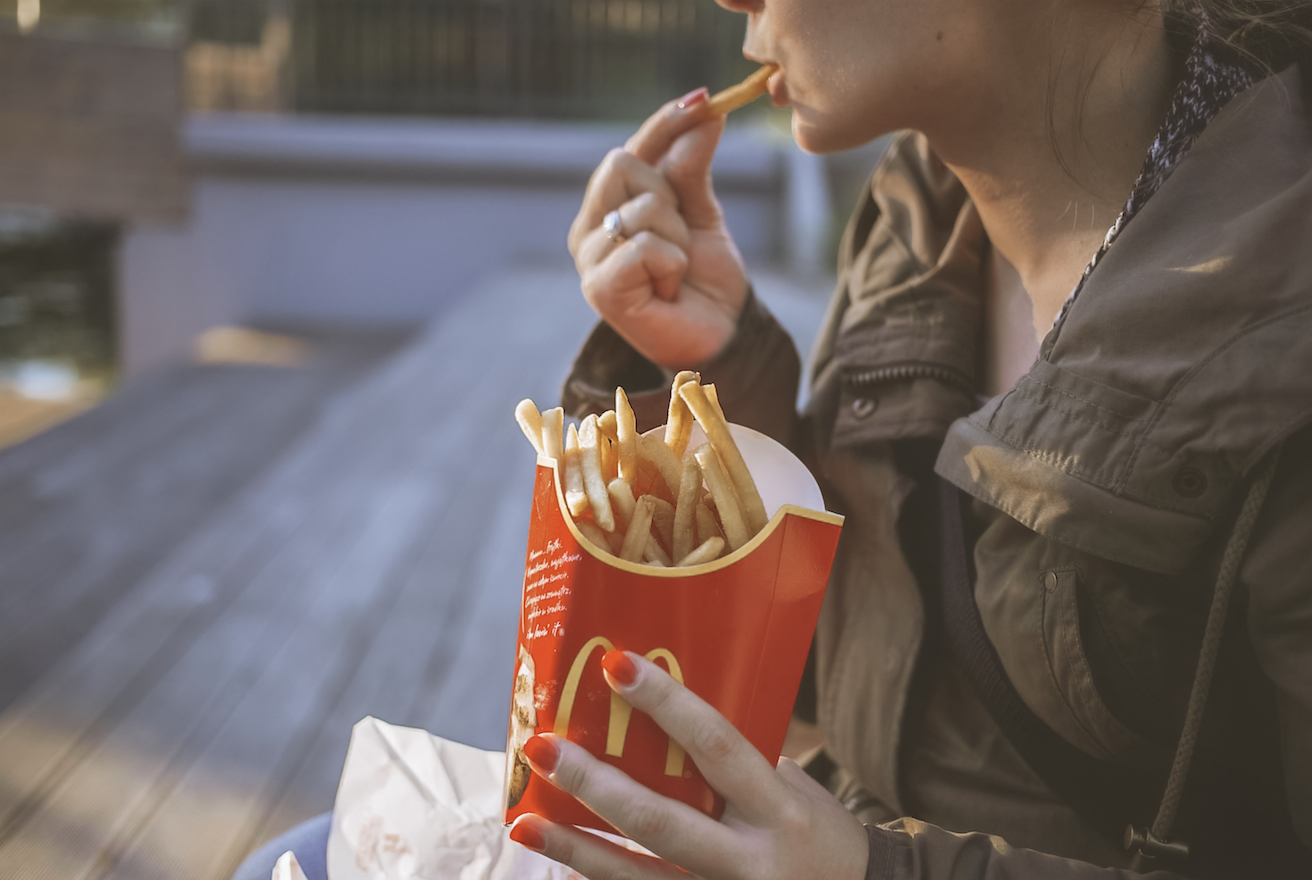
A relationship with a narcissist often means your feelings are dismissed, manipulated, or minimized. Since expressing your emotions to your partner usually feels pointless, grazing can quickly become a way to self-soothe when your nervous system doesn’t feel safe. Releasing the rage you feel by ripping open a bag of potato chips might feel good in the moment, but over time, it can take a toll on your health. The good news is there are ways to snack mindfully that will help you become stronger both emotionally and physically.
Why Grazing All Day Can Mess With Your Body
Anytime is the right time for food your body actually needs — but when snacking surpasses actual hunger, it can interfere with hormones and digestion. “Typically, it’s not recommended for adults to graze on food all day,” says Caitlin Self, MS, CNS, LDN. “The constant stream of energy can keep glucose elevated and disrupt hormone communication.” Self points out that giving your digestive system a break allows it to complete its natural cleaning cycle, known as the migrating motor complex. “It works in 90-minute waves and won’t function if there’s food in the digestive system.”
Snacking Isn’t Always About Hunger
Often, snacking isn’t about hunger at all. Living with a controlling or narcissistic partner, navigating gaslighting, or experiencing emotional abuse can leave your nervous system constantly on alert. Emotional eating becomes a coping mechanism — a way to create comfort when the world around you feels unpredictable. “Stress due to family situations, illness, or toxic relationships can lead to emotional eating,” notes Dr. Charnetta Colton-Poole. “Food shouldn’t be used as a coping strategy — but it’s understandable when your body is trying to calm itself after emotional chaos.”
Boredom, isolation, and lack of stimulation can also increase grazing. “Watch for overeating due to boredom or feeling drained,” says Dr. Alison Mitzner. “Introducing other activities or self-care routines can help shift the focus away from food.”
Sleep plays a big role too. “Make sure you’re getting enough sleep at night,” Mitzner advises. “Lack of sleep — whether from stress, worry, or staying alert around a controlling partner — can increase snacking because it disrupts the hormones regulating appetite and hunger cues.”
How to Snack Without Sabotaging Yourself
Snacks themselves aren’t bad — it’s about quality, quantity, and intention. “When it comes to overeating, it’s important to remember that most people overeat highly processed foods,” Self explains. “Serving whole foods and choosing nourishing snacks is key.” Mindful portioning and checking in with your hunger cues can prevent grazing from taking over your day.
Small Habits That Protect Your Body and Mind
- Set out the snacks: Keep fruits, vegetables, and protein ready in ways that make them easy to grab, not just reach for whatever is nearby.
- Be mindful of your own habits: Notice when you’re eating out of stress, boredom, or leftover trauma, not hunger.
- Stick to a routine: Regular meals and intentional snack times give your nervous system cues that you’re safe, which can reduce mindless grazing.
- Designate a snacking spot: Eat in one place where you can focus on your food, rather than moving around mindlessly.
Grazing all day doesn’t mean you lack discipline. It can be your body’s way of seeking comfort when it hasn’t felt safe. Reclaiming control, practicing self-care, and listening to your hunger cues is a small but powerful way to heal after emotional manipulation or toxic relationships.